Conditions
A Guide to Skin Tag Removal Options
Ever felt a tiny, soft piece of skin hanging off your body and wondered what it was? Welcome to the world of skin tags.
You're not alone. Millions have discovered these odd little growths in their lifetime. They're harmless, but can be bothersome - snagging on jewelry or causing discomfort when they appear in sensitive areas.
How should one go about tackling skin tags?
Like navigating through an unfamiliar city without a map, dealing with skin tags can feel confusing and daunting. But fear not! We've got you covered.
In this guide, we'll peel back the layers on everything from understanding what causes these pesky protrusions to exploring safe and effective removal options – both professional help and over-the-counter solutions. Ready for some clarity? Let’s dive right into our journey!
NextCare is one of the nation’s largest providers of urgent care and occupational medical services. With 170+ clinics in Arizona, Colorado, Kansas, Michigan, Missouri, Nebraska, New Mexico, North Carolina, Oklahoma, Texas, Virginia and Wyoming, we offer exceptional, affordable care to patients across the country.
Understanding Skin Tags
- Understanding Skin Tags
- Causes and Risk Factors of Skin Tags
- The Harmless Nature of Most Skin Tags
- When Skin Tags Become a Problem
- Professional Assistance with Skin Tag Removal
- Over-the-Counter Solutions for Skin Tag Removal
- Why Professional Evaluation is Recommended
- FAQs in Relation to Skin Tag Removal Options
- Conclusion
Understanding Skin Tags
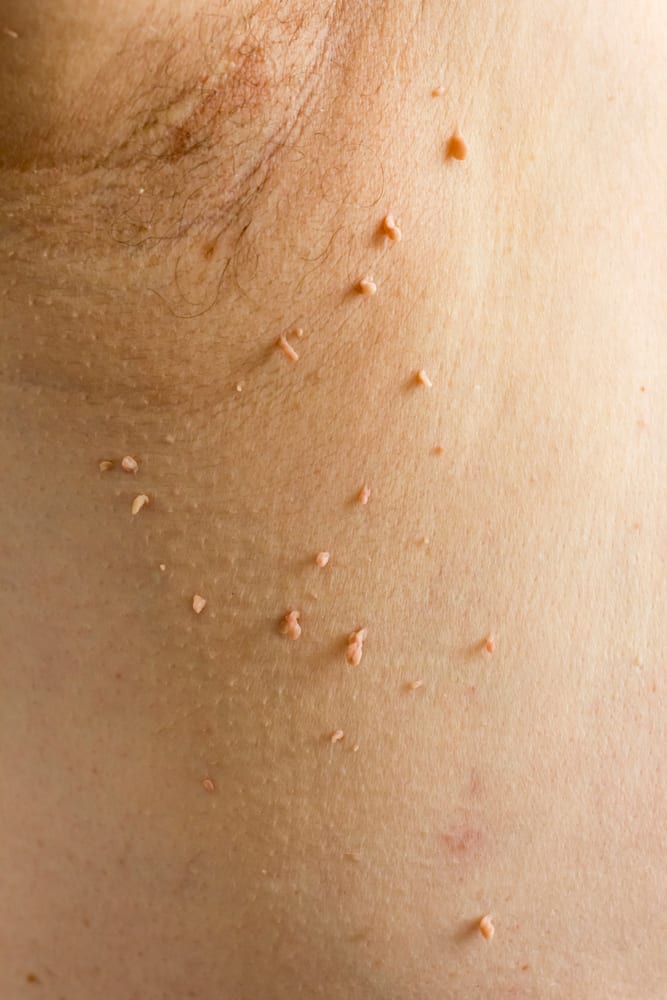
Skin tags, scientifically known as acrochordons, are small skin growths that appear to dangle from a thin stalk. These benign entities might seem alien-like, but they're quite common among adults.
What are Skin Tags?
A closer look at these peculiar formations reveals them as harmless bits of your own skin. They often grow out of areas where the skin folds or creases, resembling tiny soft balloons suspended on slender stalks. Contrary to some beliefs, they don't spread by touch and aren't contagious.
Their color can vary from flesh-toned to slightly darker than your normal skin shade. The size of skin tags can be anywhere from the width of a pencil eraser up to 5mm. However, larger ones have been reported too.
Common Locations for Skin Tags
You'll most likely find these little tag-alongs wherever friction happens - think armpits, groin area, under breasts or around necklines due to collars rubbing against the neck. Clothing and jewelry contribute further (yes more.) friction causing even higher chances for their appearance.
If you're someone who enjoys wearing chunky statement pieces or tight clothing frequently – you may want to reconsider if dealing with recurring bouts of annoying skin tags. Even something like repeatedly carrying heavy shoulder bags could instigate this unwanted 'tag' team onto your body.
Remember: Although prevalent and generally safe, it's always best practice to get any new skin growths checked out by a medical professional. This ensures they're not anything more serious masquerading as a humble skin tag.
For the curious minds, here's some food for thought: Did you know that almost half of adults have at least one skin tag? Yes, you read it right. So if you've spotted one on your body – congratulations - You're in good company.
Causes and Risk Factors of Skin Tags
Skin tags, those tiny outgrowths that seem to appear from nowhere, have several causes. One significant factor is friction.
Friction as a Cause
The constant rubbing of skin against skin or clothing can trigger the formation of these little bumps. Places like your neck where necklace chains often rub, underarms due to close contact with clothes or other parts of your body are prime spots for this annoying phenomenon. But why does friction lead to skin tag growth?
The answer lies in how our bodies respond to repeated irritation - by producing more cells. In the case of skin tags, however, it's not just any cells but specific ones called fibroblasts which contribute to forming connective tissue and collagen fibers [source]. The overproduction leads to these harmless yet bothersome protrusions.
High-Risk Groups for Skin Tags
Middle-aged adults carry a higher risk for developing skin tags compared with younger folks. This could be because their bodies have experienced more prolonged periods of friction throughout their lifetime.
Babies too are susceptible given their chubby folds where one part tends innocently enough to rub against another.
You might also find an increase in numbers if you're overweight since there’s simply more surface area for possible chafing.
A word on gender: men and women stand equally likely to develop skin tags, so don't feel singled out. They are a universal experience shared by humanity.
Other factors like hormonal changes during pregnancy or certain health conditions such as diabetes and insulin resistance may also increase your chances of growing these tiny stalks.
So while we can't avoid every risk factor for skin tag formation, being aware gives us an edge in managing them. After all, knowing is half the battle.
The Harmless Nature of Most Skin Tags
Skin tags, despite their often unsightly appearance, are typically harmless growths. No need to worry; skin tags are non-malignant and pose no risk to your health. But it's easy to get worried when you notice these small bits of skin appearing on your body.
Interestingly enough, they can even take care of themselves over time. Much like an old leaf falling from a tree in autumn, some skin tags will naturally dry up and fall off without any intervention at all (Mayo Clinic). It's one thing you won't need to stress about.
This isn't always the case though - not every skin tag is eager to leave its comfy spot on your body. Some might decide to stick around longer than we'd like them too. Yet even these stubborn guests aren't cause for concern most times; they just need a little more patience before deciding it’s time pack up and leave.
Pain-Free Existence
A surprising fact about our tiny squatters: skin tags usually don’t hurt unless provoked. When left alone or untouched, they lead quiet lives unnoticed by their host—that would be us. You won’t feel pain or discomfort simply because they’re there (WebMD).
That being said, irritation can occur if the skin tag is located where clothing or jewelry rub against it constantly—like collars irritating neck tags—or in areas where the skin folds and rubs together. If the tag is situated in a spot that's consistently being rubbed by clothing or jewelry, you might want to think about having it taken away.
Are They Contagious?
A question we often hear is: "Can I give my skin tags to someone else?" The answer is a resounding no. Skin tags aren't contagious. They're like those freeloading friends who crash on your couch—they’re only interested in your place (American Academy of Dermatology).
This means that they won’t spread from one part of your body to another or from person to person, even with direct contact. So there's no need to worry about spreading skin tags.
When Skin Tags Become a Problem
Skin tags are usually harmless, but they can sometimes turn into an issue. Let's look into the occasions and reasons why skin tags may become a problem.
Large or Sensitive Area Skin Tags
If you've got a skin tag that's grown large, it may start to snag on clothing or jewelry. This could cause discomfort and even lead to bleeding. Don't be alarmed; there are methods for managing this without causing additional damage.
Skin tags located in sensitive areas such as the eyelids, underarms, groin area, or under breasts can also become bothersome due to constant friction against clothes. It’s not uncommon for these larger skin tags to twist and become painful.
Eye Area Skin Tags
Sometimes skin tags pop up close to your eyes – even on your eyelid. This location isn’t just annoying; it’s potentially dangerous because of the sensitivity of our eyes.
An improperly removed eye-area skin tag could result in injury or infection if not handled correctly by a skilled ophthalmologist according to Mayo Clinic guidelines. That doesn't mean you should panic - most people get through removal with no complications at all.
Remember: if you have any concerns about a particular skin tag (or several), getting help from NextCare Urgent Care is always an option.
Struggling with bothersome skin tags? They can snag on clothes, cause discomfort, or even turn painful in sensitive areas. Remember: help is always available from NextCare Urgent Care. #SkinTagTips Got a bothersome skin tag? Large ones can snag and cause discomfort, while those near the eyes need careful handling. Don't fret - there's always help at hand. #SkinTagHelp Click to Tweet
Professional Assistance with Skin Tag Removal
Skin tags might be harmless, but they can become a real nuisance when located in uncomfortable areas or if they grow large. That's where medical professionals step into the picture to give you some much-needed help.
The Role of Ophthalmologists
Did you know that eye doctors play an important role in skin tag removal? Yeah, it surprised us too. But when skin tags decide to set up camp near your eyes, these are the guys who come to rescue. This is mainly because the eye area is super sensitive and needs special care during procedures like this.
Ophthalmologists have specialized training which lets them remove these pesky intruders without causing harm to your precious peepers. So while we're not suggesting you run off for an ophthalmology appointment at every tiny bump on your eyelid (a bit overkill), consider getting professional help if one pops up close enough to cause concern.
In fact, here's a cool stat: A study by The National Center for Biotechnology Information found that 46% of patients seeking treatment had their skin tags removed professionally due to discomfort or cosmetic reasons.
Navigating Other Professional Options
Besides our friends in ophthalmology, there are other skilled folks ready and waiting to help with those annoying skin flaps. Dermatologists—the skincare superheroes—are also experts at removing unwanted growths from all sorts of places on your body.
Their arsenal includes several techniques like cryotherapy (fancy term for freezing), cauterization (burning), and even good old-fashioned snipping. Yikes. But don't worry, they numb the area first so you won't feel a thing.
And let's not forget about our trusty family physicians who can also lend a hand in removing smaller skin tags. They may refer larger or more complicated cases to specialists but for many people, this could be the easiest and most accessible option.
So, let's wrap this up.
Over-the-Counter Solutions for Skin Tag Removal
If you've ever spotted a small, soft piece of skin hanging off your body by a connecting stalk - congratulations. You've found a skin tag. These benign growths are common and usually harmless. But sometimes, they can become irritated or unsightly, leading many people to seek removal options.
How OTC Products Work
Skin tags aren't picky about where they show up on the body, but some locations are more problematic than others. For instance, those located in areas of friction like the neck or armpits may be uncomfortable when rubbed by clothing. Thankfully there's an easy solution available at most drugstores: over-the-counter (OTC) products designed specifically for skin tag removal.
These OTC solutions work much like frostbite on your veggies in the freezer – it’s not great news for the vegetable, but it’s very effective.
The main ingredient in these products is typically liquid nitrogen or another freezing agent that works to halt blood flow to the tag itself. By applying this cold substance directly onto the base of your unwanted guest with either a spray canister or applicator stick provided within the package, you're essentially icing out its life source.
In just seven to ten days post-treatment using such medical freeze sprays, expect what was once your bothersome buddy to dry up and fall right off as if nothing were ever there. Now how cool is that?
But remember, while OTC options can be convenient and cost-effective, they aren't always suitable for everyone or every skin tag. Those located around the eyes or in other sensitive areas should be left to the professionals (American Academy of Dermatology).
Additionally, it's worth noting that these products don't prevent new tags from forming. It could be beneficial to consult a professional if fresh skin tags appear.
Why Professional Evaluation is Recommended
Skin tags may seem like a minor issue that you can handle on your own. You might even be tempted to use over-the-counter solutions for skin tag removal. But here's something to consider: it’s not always as simple as it seems.
Getting professional help from medical experts at NextCare Urgent Care, or similar facilities, could save you a lot of trouble and potential discomfort down the line.
The Value of Expert Eyes
A trained eye can spot the difference between harmless skin tags and other skin growths that might need more attention. Some conditions, such as moles or warts, can mimic the appearance of skin tags but require different treatments.
An expert evaluation ensures that what you're dealing with is indeed a benign skin tag and not an indicator of another underlying health condition. Plus, in rare cases where a cancerous lesion mimics a typical looking 'skin tag', only professionals are equipped to detect this crucial difference early on.
Safe Removal Techniques
Taking matters into your own hands when removing these small pieces of tissue dangling off your body isn’t always safe either - remember those internet horror stories about DIY gone wrong? It's important to avoid any unnecessary risk by seeking professional help instead.
Clinicians utilize sterile instruments and follow strict safety protocols during removal procedures which greatly minimizes risks associated with infection or scarring. And when it comes to skin tags in sensitive areas like the eyelids, a skilled ophthalmologist is your safest bet.
Post-Removal Care and Guidance
After getting rid of your skin tag, medical experts will help you with aftercare to ensure smooth healing. They'll offer advice on how to reduce scarring and avoid infections - these are key considerations for a healthy recovery.
FAQs in Relation to Skin Tag Removal Options
The most effective ways to remove skin tags include professional medical procedures, over-the-counter products, and some home remedies. However, seeking a doctor's advice is always recommended.
Yes, many over-the-counter solutions can safely get rid of skin tags by freezing them off within about a week or so.
Frozen-off treatments are typically painless. They work slowly but surely in removing your unwanted skin growths.
Cryotherapy kits available at drugstores freeze off the tags causing them to fall off after several days with little discomfort involved.
Conclusion
So, you've explored the world of skin tags. Understanding these harmless growths and where they often pop up is step one.
Next, we unpacked why friction can cause them and who's at risk. Middle-aged folks, babies or those carrying extra weight should be aware.
Skin tags are mostly benign nuisances that sometimes fall off on their own. But when they're large or in sensitive areas like near the eye, it’s a different story - professional help becomes essential for safe removal.
We touched on over-the-counter skin tag removal options too – handy but not always enough.
In all this remember: When in doubt about your skin tags, don't hesitate to seek medical advice even with DIY solutions available.



Discover More
-
Conditions
How to Identify Rash Causes and Symptoms

Not all services are appropriate for every patient and NextCare providers will determine recommended treatment and services based upon their clinical judgement and individual patient needs.
© 2026 NextCare