Same-Day Hepatitis B Testing and Treatment
If you suspect you may have been exposed to Hepatitis B (HBV), fast testing and early treatment are essential to managing your health and preventing the spread of infection.
At NextCare Urgent Care, we offer rapid Hepatitis B testing with same-day results, allowing for a prompt diagnosis and access to treatment options tailored to your needs. Our walk-in Hepatitis B testing is quick, confidential, and available without an appointment, giving you immediate and discreet care.
Take charge of your sexual health today by visiting one of our STD testing clinic locations, and get peace of mind with immediate testing and treatment.
Urgent Care for Hepatitis B Testing
At NextCare, we provide various testing options to diagnose Hepatitis B:
- Hepatitis B Rapid Test: For immediate results, our rapid Hepatitis B test provides same-day answers, allowing for timely diagnosis and quick treatment decisions.
- Hepatitis B Blood Test: Our bloodwork can detect HBV infection and measure the presence of specific markers like the Hepatitis B surface antibody, helping assess immunity and past infection.
- Hepatitis B Titer Test: This test evaluates immunity to Hepatitis B, often required for healthcare workers or individuals in high-risk environments.
- Hepatitis B Core Antibody Test: We offer this test to determine exposure history and immune response, providing valuable information for treatment decisions.
What to Expect During Your Hepatitis B Test
Our testing process is simple, private, and designed to provide peace of mind. During your visit, a healthcare provider will discuss your symptoms, potential exposure, and any concerns you may have. The test may involve a blood sample, which will be tested for the presence of HBV markers. With same-day results for certain tests, you’ll be able to take immediate steps if necessary.
What is Hepatitis B?
Hepatitis B is a liver infection caused by the Hepatitis B virus (HBV), which can lead to serious health problems if left untreated. Hepatitis B is typically spread through contact with infected blood, semen, or other body fluids. The infection can be acute (short-term) or chronic (long-term), and early intervention is crucial to preventing liver damage and other complications.
How Hepatitis B is Transmitted
Hepatitis B is primarily spread through contact with infected body fluids. Here’s how it happens:
- Blood-to-Blood Contact: Hepatitis B can be spread through sharing needles, accidental needle sticks, and contact with open wounds.
- Sexual Contact: Hepatitis B can be transmitted through sexual activity, particularly if there are small tears in mucous membranes.
- Mother to Child: Hepatitis B can be passed from a mother to her newborn during childbirth, making testing and appropriate treatment crucial for pregnant individuals.
- Other Routes: Contact with contaminated personal items like razors or toothbrushes can also be a transmission risk.
Because Hepatitis B symptoms don’t always appear immediately, regular testing is recommended, especially if you’re at higher risk or have been exposed to potentially infected body fluids.
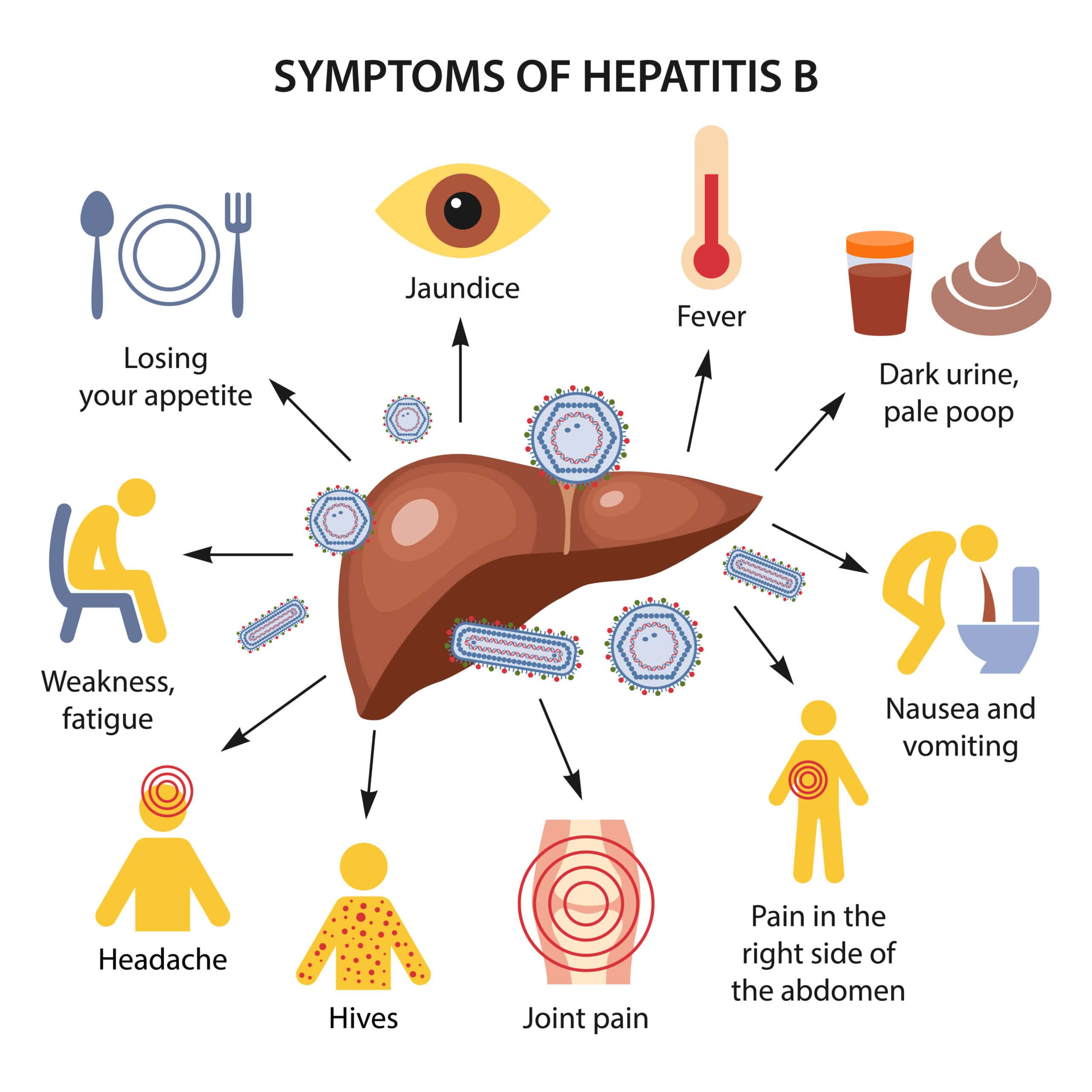
Hepatitis B Symptoms
- Fatigue
- Nausea or vomiting
- Abdominal pain, particularly near the liver
- Loss of appetite
- Yellowing of the skin and eyes (jaundice)
- Dark urine and pale stools
- Joint pain
If you experience these Hepatitis B symptoms or suspect recent exposure, seeking prompt testing and treatment is recommended. Early detection through a Hepatitis B rapid test allows for immediate steps to protect your health.
Urgent Care Hepatitis B Treatment
If you’re diagnosed with Hepatitis B, our medical team will develop a personalized treatment plan to support your health:
- Acute Hepatitis B Treatment: Acute cases often resolve on their own, but supportive care can help manage symptoms. In cases of significant symptoms, monitoring liver function is essential.
- Chronic Hepatitis B Treatment: Chronic Hepatitis B may require antiviral treatment, such as tenofovir or entecavir, to reduce liver damage and slow disease progression. Antiviral treatment for Hepatitis B is essential for those with liver damage or elevated viral loads.
- Post-Exposure Treatment: If you’ve been exposed recently, a Hepatitis B vaccine and immunoglobulin treatment may be recommended to prevent infection.
- Pregnancy-Related Hepatitis B Treatment: If you are pregnant and test positive for Hepatitis B, our providers can offer guidance and treatment to reduce the risk of transmission to your baby.
Completing the full course of any prescribed medication is essential to manage the infection effectively and reduce the risk of complications.
When to Visit Urgent Care for Hepatitis B
Consider visiting urgent care for Hepatitis B testing if you belong to an at-risk group or suspect recent exposure. High-risk groups include:
- Individuals with close contact or family members infected with HBV
- Healthcare workers and others who may be exposed to blood or bodily fluids
- People who have unprotected sex or multiple partners
- Individuals with a history of drug use and needle sharing
- Those born in regions where Hepatitis B is common
- Pregnant women, to help prevent transmission to newborns
CDC guidelines recommend regular testing for at-risk individuals. Early testing and timely treatment can prevent complications and protect both you and those around you.
Hep B Online Care
NextCare offers private and convenient Hepatitis B care through our virtual care services. During a virtual appointment, you can connect with a healthcare provider to discuss your symptoms, recent outbreaks, or any related concerns.
Our healthcare professionals will assess your condition, provide personalized treatment recommendations, and, if necessary, prescribe antiviral medications to help manage and control outbreaks. This service ensures you receive the care and support you need—all from the comfort and privacy of your home.
Virtual care is discreet, easy to access, and eliminates the need for an in-person visit.
Schedule your virtual appointment today and get expert care and answers to your questions without leaving your home.
Why Choose NextCare for Hep B Testing and Treatment?
- Confidential Testing: All tests and treatments are conducted discreetly, ensuring your privacy.
- Rapid Results: Our same-day testing provides quick results, allowing you to take immediate action if needed.
- Experienced Providers: Our medical team is skilled in diagnosing and treating Hepatitis B, offering comprehensive, compassionate care.
- Convenient Locations: With numerous clinics nationwide, finding a NextCare location for STD testing near you is easy.
- Insurance and Payment Options: We accept most major insurance plans, making your Hepatitis B testing and treatment affordable. Learn more about discounts available through our Medical Discount Program.
FAQs
Treatment varies based on whether the infection is acute or chronic. Acute cases may resolve with supportive care, while chronic cases often require antiviral medications. Your healthcare provider will determine the best treatment for your situation.
While there is currently no cure for chronic Hepatitis B, antiviral treatments can manage the virus and reduce the risk of liver damage. Research into a cure is ongoing, and new treatment options are continuously being developed.
Test results for Hepatitis B can indicate current infection, immunity from past infection, or lack of immunity. Your provider will help interpret your results and discuss any next steps.
Regular testing is recommended for high-risk individuals, including healthcare workers, people with multiple partners, and those exposed to blood or body fluids. Your provider can advise on a suitable testing schedule based on your risk factors.
Many people with chronic Hepatitis B live long, healthy lives with proper management. However, without treatment, chronic Hepatitis B can lead to liver damage over time. Regular testing and monitoring are essential for maintaining health.
Yes, NextCare offers a rapid Hepatitis B test with same-day results. Our urgent care clinics make it easy to get tested quickly and begin any necessary treatment.
Yes, NextCare provides treatment options for Hepatitis B, including antiviral therapy for chronic cases and post-exposure prophylaxis.
No, there is no over-the-counter treatment for Hepatitis B. Effective management requires prescription antiviral medications and close monitoring by a healthcare provider.
The Hepatitis B surface antibody test checks for immunity to Hepatitis B. This test is typically performed to confirm immunity after vaccination or prior exposure.
Hepatitis B symptoms include fatigue, nausea, abdominal pain, jaundice (yellowing of the skin and eyes), dark urine, and joint pain. Some people may experience mild symptoms or none at all, making regular testing important.
Symptoms of Hepatitis B usually appear within 1 to 4 months after exposure, but some people may not show symptoms for several months or even years. Regular testing can help detect the infection early.
Hepatitis B is spread through contact with infected blood, semen, and other body fluids. It can be transmitted through unprotected sex, sharing needles, or from mother to child during childbirth.
Yes, there is an effective vaccine for Hepatitis B. Vaccination is recommended for infants, healthcare workers, and anyone at high risk of exposure.
Vaccination is the most effective way to prevent Hepatitis B. Other preventive measures include practicing safe sex, avoiding shared needles, and regular testing if you’re at risk.
Untreated Hepatitis B can lead to complications such as cirrhosis, liver cancer, and liver failure. Early testing and treatment are essential for reducing these risks.


Not all services are appropriate for every patient and NextCare providers will determine recommended treatment and services based upon their clinical judgement and individual patient needs.
© 2026 NextCare