Conditions
Herpes Simplex Virus (HSV): A Guide to Symptoms & Care
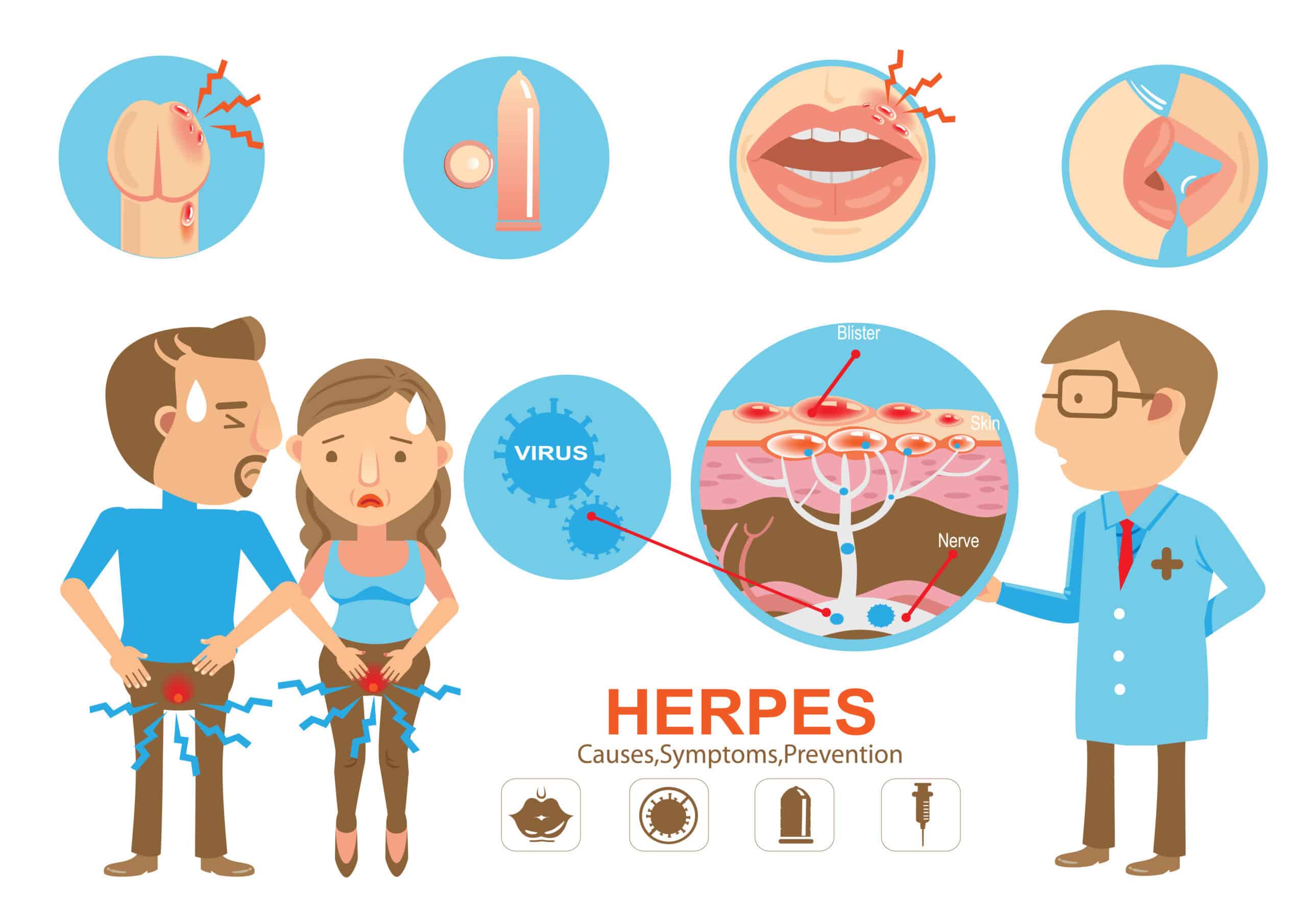
Dealing with herpes simplex virus (HSV) can feel isolating. But HSV infections are more common than you think. This guide tackles HSV head-on, offering clear and straightforward answers.
You’ll learn about symptoms, treatment options, and how to live with the herpes simplex virus. We’ll explore HSV-1, often causing oral herpes, and HSV-2, associated with genital herpes, covering transmission, symptoms, management, and more. We will cover topics like acquiring HSV-2 through sexual transmission, and how to recognize the primary infection symptoms of a simplex virus infection.
NextCare is one of the nation’s largest providers of urgent care and occupational medical services. With 170+ clinics in Arizona, Colorado, Kansas, Michigan, Missouri, Nebraska, New Mexico, North Carolina, Oklahoma, Texas, Virginia and Wyoming, we offer exceptional, affordable care to patients across the country.
Understanding Herpes Simplex Virus (HSV)
Herpes simplex virus (HSV) is a common virus infection. It causes sores and blisters on the skin, genitals, or mouth.
There are two types: HSV-1 and HSV-2. HSV-1 is typically linked to oral herpes (cold sores).
HSV-2 is usually associated with genital herpes. However, both types can occur in either location. Both HSV-1 and HSV-2 can also lead to an eye infection. If you’re experiencing symptoms, NextCare’s healthcare professionals can help with timely diagnosis and treatment.
Transmission of HSV
HSV spreads through direct contact with an infected person. Transmission often occurs even when no visible sores are present. Contact can involve sores, saliva, or skin surfaces.
This can happen through kissing, sexual contact, or sharing personal items like razors. Sex partners should be aware of their partner’s HSV status to prevent spreading herpes.
It’s crucial to practice safe sex and avoid contact during outbreaks to minimize HSV infections. Sharing personal items that may have saliva should also be avoided. Talking to a healthcare provider about preventative measures can further reduce the chances of acquiring HSV-2 or any simplex infection.
Symptoms of HSV
Many people with HSV have mild or no symptoms. For others, painful, recurring blisters are a reality. A primary infection of HSV might present as severe symptoms or even a disseminated infection.
The first outbreak is usually the most severe. These blisters eventually break, forming ulcers that crust over and heal.
Besides sores, the initial HSV outbreak might involve fever, body aches, and swollen lymph nodes. People age 50 and older with compromised immune responses are at risk for more severe disease or a brain infection.
| Symptom | HSV-1 (Oral) | HSV-2 (Genital) |
|---|---|---|
| Sores | Cold sores around the mouth, sometimes the face | Blisters on genitals, buttocks, anus, thighs |
| Other | Fever, sore throat, swollen neck glands | Fever, body aches, swollen groin glands, painful urination |
| Prodrome | Tingling, itching, or burning sensation before sores appear | Tingling, itching, burning, or shooting pain in legs, hips, or buttocks |
Itching, burning, or tingling sensations often signal an outbreak’s onset. Before sores appear, you might experience prodrome symptoms. Prodrome can occur before an outbreak. Exposure to sunlight or stress, and changes due to menstrual periods can also trigger recurrences, especially in genital infections. Recurrences tend to be less severe compared to primary infection.
NextCare Urgent Care can provide immediate herpes testing and treatment, and guidance to support your health needs.
Managing Herpes Simplex Virus (HSV) with Effective Treatments
Herpes simplex virus (HSV) is a lifelong condition, but with the right treatment plan, individuals can manage outbreaks effectively and improve their quality of life. Antiviral medications remain the cornerstone of HSV management, offering both episodic and suppressive treatment options.
Antiviral Medications
- ⊕ Acyclovir, Valacyclovir, and Famciclovir: These antiviral drugs help to reduce the severity and duration of outbreaks. Valacyclovir, with its improved bioavailability, is often preferred for ease of use, while famciclovir provides an alternative for those who may not respond to other treatments.
Treatment Approaches
- ⊕ Episodic Therapy: Antiviral medications are taken during an outbreak to speed up healing and alleviate symptoms like pain and itching.
- ⊕ Suppressive Therapy: For individuals experiencing frequent outbreaks, daily antiviral medications can significantly reduce the number of episodes and lower the risk of transmission to partners by minimizing viral shedding.
Living with Herpes Simplex Virus
While a cure for HSV remains elusive, antiviral medications can help. These medications significantly lessen outbreak severity and frequency. They can reduce the duration of symptoms.
These medications are not a cure for herpes. These drugs are typically taken daily as suppressive therapy to minimize outbreaks. People with herpes can consider chronic suppressive therapy to prevent recurrences, reduce the duration of recurrent episodes, or reduce viral shedding to lower the risk of transmission.
There are approximately 1.1 billion people worldwide with HSV-2. While there is currently no cure for herpes simplex virus infections, treatment focuses on symptom relief and preventing transmission to others.
Managing Outbreaks
At the first tingle of an outbreak, begin your antiviral medication. Warm baths (for genital herpes) and cool compresses (for oral herpes) can soothe discomfort. Episodic therapy is an option when taking antivirals at the start of prodrome symptoms or when lesions appear.
Keeping the affected area clean and dry is also important. Avoid touching the sores to prevent spreading the infection. Over-the-counter pain relievers can help manage pain. Stress can also cause recurrent outbreaks, while emotional stress can trigger the virus.
Loose-fitting clothing can further help reduce irritation in the genital area. Additionally, practicing proper hygiene can further aid in keeping the infection in check and promote healing during an outbreak. It is best to discuss antiviral therapy options with a healthcare provider for either HSV-1 or HSV-2.
Impact of HSV on Pregnancy
Herpes simplex virus (HSV) can significantly impact pregnancy if not properly managed. Pregnant individuals with HSV, particularly those experiencing their first outbreak during pregnancy, face a higher risk of transmitting the virus to their newborn during delivery. Neonatal herpes, although rare, can lead to severe complications such as brain damage, breathing difficulties, or even life-threatening infections.
Early and regular prenatal care is essential for managing HSV during pregnancy. Discussing your HSV status with a healthcare provider allows for the development of a tailored care plan, including antiviral medications during the third trimester to reduce the likelihood of an outbreak during delivery. In some cases, a cesarean section may be recommended to prevent transmission if active sores are present at the time of birth.
Psychosocial Aspects of Living with HSV
Receiving an HSV diagnosis can feel overwhelming, often triggering feelings of shame, anxiety, or isolation. Many individuals struggle with the stigma surrounding herpes, which can negatively affect mental health and self-esteem. The emotional toll of managing a lifelong condition, coupled with the fear of disclosing the diagnosis to others, can make navigating relationships and daily life challenging.
Building a support system and accessing reliable resources are critical steps in coping with HSV. Talking to a trusted healthcare provider about your concerns and joining support groups can help normalize the experience. Emotional wellness strategies, such as practicing self-care, reducing stress, and focusing on maintaining healthy relationships, can improve overall quality of life.
NextCare offers compassionate care and guidance to help individuals manage both the physical and emotional aspects of living with HSV, empowering them to take control of their health and well-being.
Prevention Strategies
If you have HSV, open communication with sexual partners is essential. Use condoms consistently, and abstain from sexual activity during outbreaks. Avoid sharing razors, toothbrushes, or anything that could transmit infected saliva.
Avoiding contact with herpes sores is crucial. Understanding how HSV spreads can significantly reduce the risk of transmission. Consider talking with a healthcare provider to manage symptoms and prevent transmission to sex partners. Primary infection can present mild symptoms and is easier to manage when treated right away by a healthcare provider. Understanding the specific virus type is important to target the infection appropriately.
Keeping your immune system strong through healthy habits can minimize the frequency and severity of outbreaks. Recurrences and subclinical shedding contribute to transmission. Herpes simplex virus type 1 and 2 can cause similar symptoms. Herpes simplex virus infection symptoms usually include lesions.
Long-Term Outlook
HSV is a lifelong condition. Though there’s no cure, outbreaks often decrease in frequency and severity over time. Treatment helps lessen the severity of outbreaks.
With proper management, people with HSV can live full and healthy lives. HSV infections caused by either virus type usually present with lesions at the site of infection.
Conclusion
Herpes simplex virus is a lifelong condition. However, understanding how to manage and prevent outbreaks empowers you to live well with HSV.
Effective treatments and information are available to enhance your quality of life with herpes simplex virus. By understanding HSV transmission, practicing safe sex with sex partners, recognizing initial infection symptoms and seeking advice from healthcare providers when needed you are on track to effectively navigating virus infections.
With consistent self-care and support, a satisfying life with HSV is achievable. Early diagnosis and care through NextCare Urgent Care’s STD/STI testing and treatment can make all the difference in managing life with HSV.
FAQs
While there is no cure for HSV, antiviral medication effectively manages outbreaks. These reduce symptom severity and duration and even help prevent future episodes.
Herpes 2 (HSV-2) is mainly transmitted through sexual contact. This includes vaginal, anal, and oral sex with someone who has the virus. Transmission can happen even without visible sores.
While HSV-1 (typically oral herpes) is common and usually causes mild cold sores, its effects can be more severe. It can infect the genitals. In rare cases, HSV-1 can also lead to severe illnesses like eye infections or encephalitis, mainly in newborns or people with weakened immune systems.
Various factors can trigger outbreaks. These include stress, illness, fever, sunlight, hormonal changes (like menstruation), and even surgery.
Recognizing and minimizing your personal triggers can help lessen outbreaks. Sun exposure, specifically sun exposure menstrual cycles can increase likelihood of recurrences. Some people even report symptoms appearing before the sores with some type of prodrome, and experience tingling as an indication they’ve contracted herpes including but not limited to herpes caused by either virus.
No STD is “worse” than another, as each can negatively impact sexual and reproductive health. Herpes, just like any other infectious disease such as HIV, comes with the responsibility of knowing what to avoid to prevent further complications like acquiring HIV. Knowing what not to do, like being exposed to sun exposure menstrual cycle when dealing with a simplex infection, is just as important as getting educated.
While curable STDs may seem “better” than incurable ones like herpes, untreated STDs can have long-term consequences. Untreated chlamydia or syphilis can lead to severe health problems. These include pelvic inflammatory disease (PID) and even tertiary syphilis.
Tertiary syphilis can cause organ damage and death. Like all STDs, herpes symptoms and outbreaks can be effectively managed. This involves proper testing, medical guidance, and self-care. Although there is no cure, most people with herpes live full, healthy lives.
Treatment options are tailored to the
patient's current condition and the examples are to be used as possible
treatment options. The actual treatment will be determined after an assessment
performed by a medical professional. Additionally, procedures are recommended
only after a comprehensive evaluation and a thoughtful determination of the
most appropriate treatment options.


Discover More

Not all services are appropriate for every patient and NextCare providers will determine recommended treatment and services based upon their clinical judgement and individual patient needs.
© 2026 NextCare