Ringworm and Athlete’s Foot
We understand how discomforting skin and nail fungal infections like ringworm and athlete’s foot can be. NextCare’s expert healthcare providers are equipped to diagnose and treat these conditions swiftly, ensuring you get back to comfort without the long wait times associated with traditional healthcare settings.
What are Ringworm and Athlete’s Foot?
Ringworm and athlete’s foot are common fungal infections that affect the skin and nails:
- Ringworm or tinea corporis: appears as round, red patches on the skin, often with a clearer center.
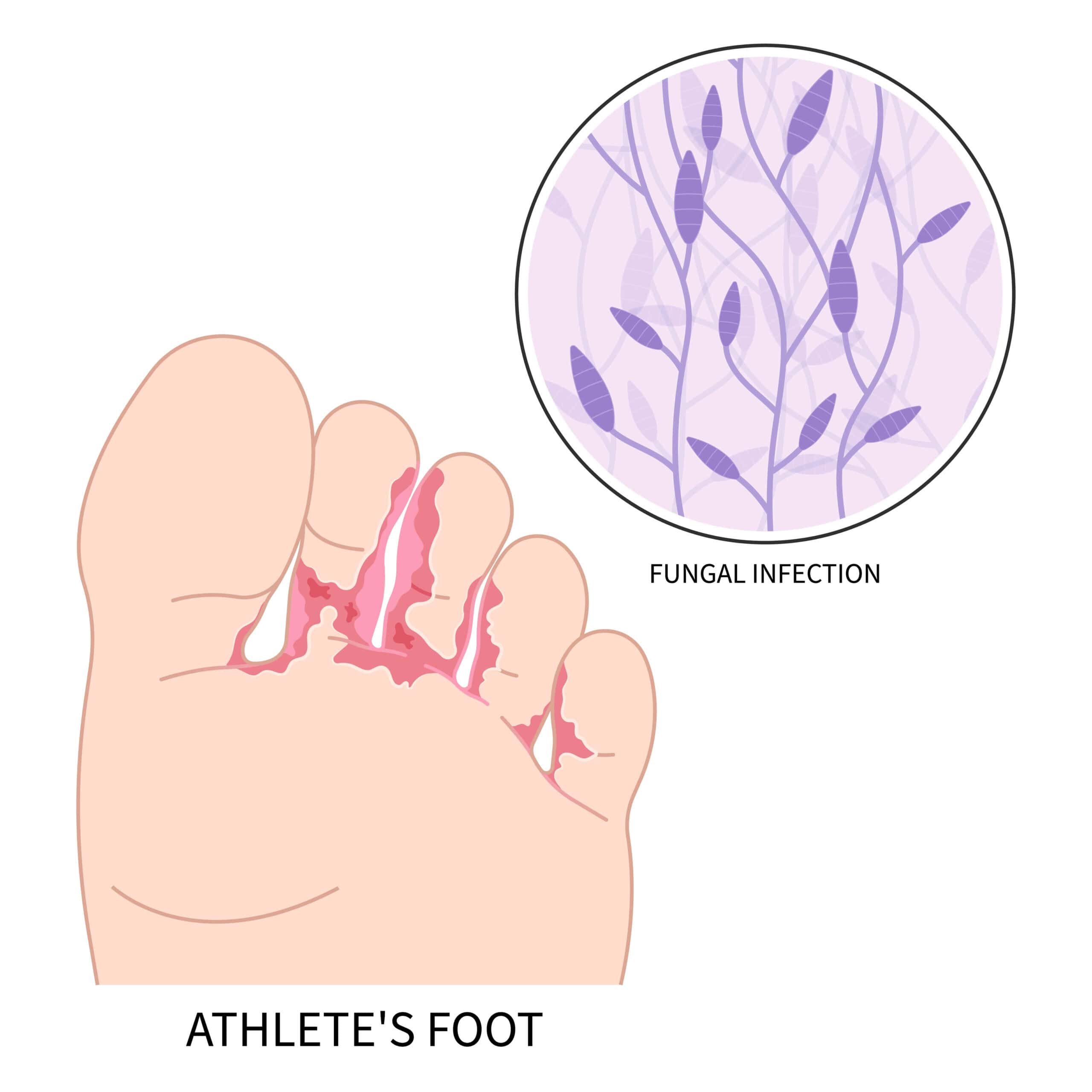
- Athlete’s foot or tinea pedis: specifically targets the feet, leading to itchy, white, cracked skin between the toes or on the foot’s sole
Symptoms of Fungal Infections
Common symptoms of fungal infections include:
- Ringworm: Itchy, red, circular rashes with clearer skin in the middle.
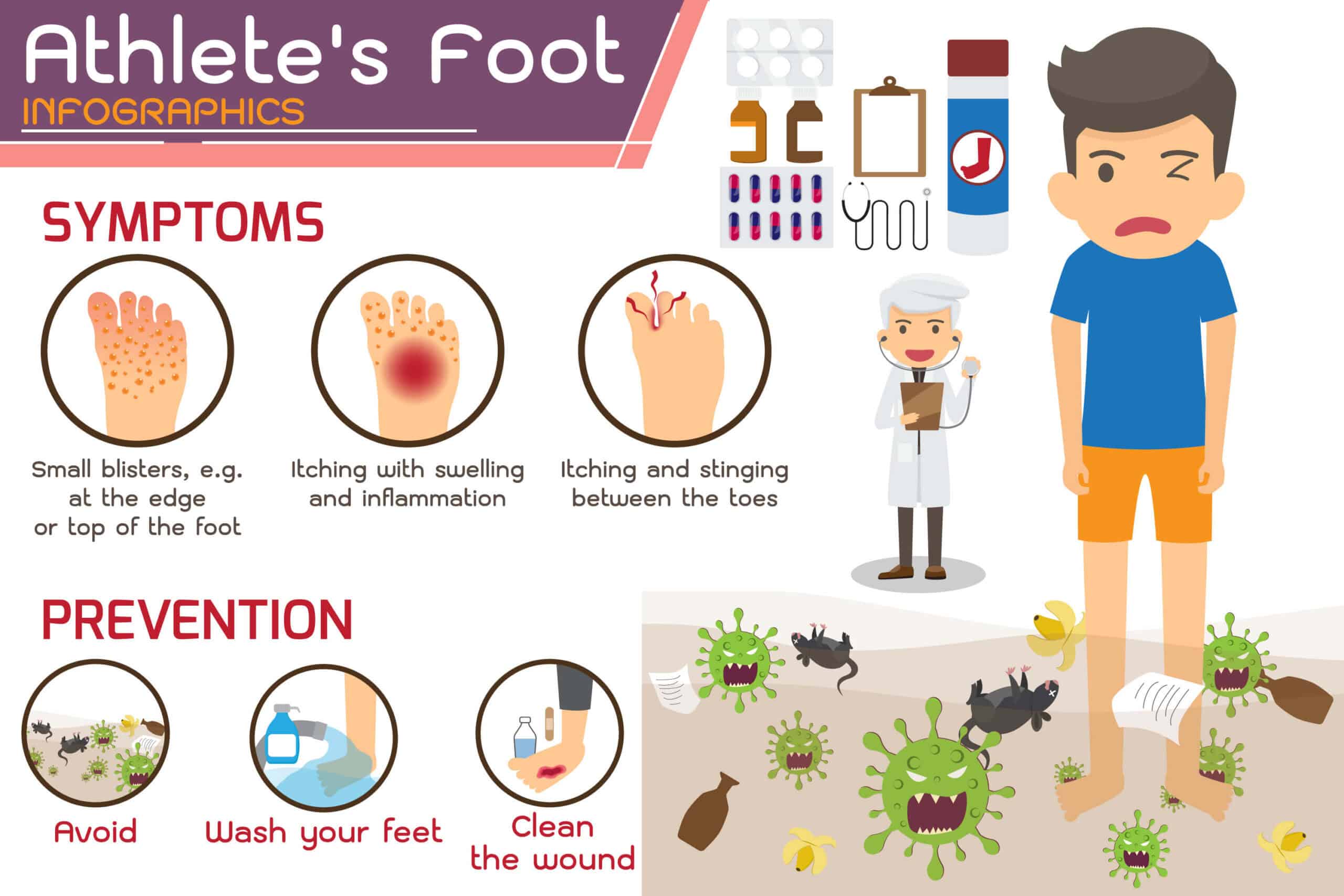
- Athlete’s Foot: Itching, stinging, and burning between the toes or on the soles of the feet; cracked, peeling skin.
Urgent Care Treatment Options
NextCare offers the following treatments for fungal infections:
- Topical Antifungals: Directly applied to the affected area to kill the fungus.
- Oral Medication: Used for more severe or resistant fungal infections.
- Preventive Advice: Tips on how to avoid reinfection and manage hygiene.
- Read our guide to effective Athlete’s Foot Treatment Options.
When to Visit Urgent Care for Fungal Infections
Here are the signs that indicate a visit to NextCare Urgent Care is necessary:
- Noticeable Swelling and Redness
- Severe or Worsening Pain
- Fever Indicating an Infection
Why Choose NextCare for Fungal Infection Treatment?
- Expert Care: Our healthcare professionals are skilled in diagnosing and treating various fungal infections effectively.
- Comprehensive Service: From diagnosis to treatment and follow-up care, we provide thorough attention to ensure your recovery.
- We Take Most Insurance: We accept all major insurance plans to get you the care you need without breaking the bank.
- Nationwide Clinic Locations: With clinics across numerous states, there’s likely a NextCare conveniently located near you.
- Prompt Care: Skip the hassle of waiting on hold. Book your appointment online or simply walk in at your convenience.
FAQs
The most effective treatment for athlete’s foot involves a combination of topical antifungal medications to kill the fungus and changes in foot hygiene to keep the area dry and clean. Over-the-counter antifungal creams, sprays, and powders such as clotrimazole and terbinafine are commonly recommended. For persistent cases, a healthcare provider may prescribe stronger topical or oral antifungal medications.
Wearing socks to bed with athlete’s foot can help contain the spread of the fungus, especially if you use antifungal powders or creams as part of your treatment. Choose socks made of natural fibers like cotton or moisture-wicking materials to keep your feet dry throughout the night.
Ringworm remains contagious as long as lesions are present and until treatment has effectively killed the fungus. Typically, ringworm is no longer contagious about 48 hours after starting topical antifungal treatment, provided the affected areas are kept clean and treated properly. Always consult with a healthcare provider for guidance based on your specific treatment plan.
Yes, urgent care centers can prescribe antifungal medications. Urgent care providers can evaluate your symptoms, determine if antifungal treatment is needed, and provide prescriptions for both topical and oral antifungal drugs.
Going to the ER for ringworm is generally not necessary unless there are signs of a severe infection, such as excessive pain, significant swelling, or if the ringworm spreads rapidly. In most cases, ringworm can be effectively treated by a primary care provider or at an urgent care clinic.
Soaps containing antifungal agents like ketoconazole or tea tree oil are best for managing fungal infections. These soaps help reduce the fungus while keeping the skin clean and free of additional irritants. It’s important to choose a mild, non-irritating soap to avoid further skin irritation.
No, athlete’s foot primarily affects the skin between the toes and on the feet, while toenail fungus, or onychomycosis, infects the nails, making them thick, discolored, and more likely to crack. Both are caused by similar types of fungi but affect different parts of the foot.
Signs that a fungal infection is healing include a reduction in redness, scaling, and itching. The skin may begin to look normal, and symptoms like burning or soreness should diminish. Complete healing depends on the severity of the infection and adherence to the treatment regimen.
Yes, children can get athlete’s foot, especially if they walk barefoot in public places such as swimming pools, locker rooms, or showers. It’s important to teach children about proper foot hygiene, including drying feet thoroughly after washing and wearing sandals in public areas.


Not all services are appropriate for every patient and NextCare providers will determine recommended treatment and services based upon their clinical judgement and individual patient needs.
© 2026 NextCare