Allergies
Battling Winter Allergy Symptoms: A Practical Guide
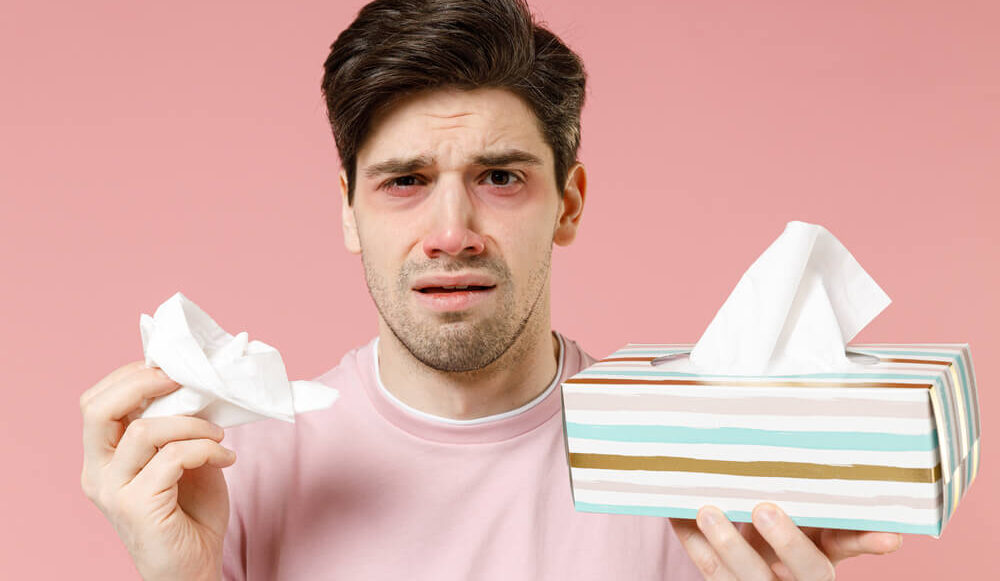
Ever found yourself sneezing, eyes watering, nose itching as you huddle by the fireplace in mid-winter? Yes, it's not just your imagination - winter allergy symptoms are real and they're a nuisance.
We often think of allergies as an annoyance reserved for spring or fall. But winter is far from a safe haven. As we retreat indoors to escape the cold, allergens like dust mites and pet dander join us for the ride.
The result? Itchy eyes, runny noses and relentless sneezing that make chilly nights even more uncomfortable. However, with understanding comes power – knowledge about these irksome invaders can be our greatest weapon against them.
Here's your handy toolkit for fighting indoor allergens in the chilly season. It includes effective tactics to cut down exposure and enhance the air quality inside.
NextCare is one of the nation’s largest providers of urgent care and occupational medical services. With 170+ clinics in Arizona, Colorado, Kansas, Michigan, Missouri, Nebraska, New Mexico, North Carolina, Oklahoma, Texas, Virginia and Wyoming, we offer exceptional, affordable care to patients across the country.
Understanding Winter Allergy Symptoms
Just when you thought sneezing and sniffling were reserved for spring, winter allergies make an unexpected appearance. But what makes these symptoms unique to the colder months?
The Unique Nature of Winter Allergies
In contrast to outdoor seasonal allergens, winter allergies are typically caused by indoor irritants like dust mites and pet dander. While blooming plants aren't a concern in freezing temperatures, being cooped up indoors with hidden triggers can lead to discomfort.
A surprising fact is that many people who suffer from spring and fall allergies also experience similar reactions during winter. This is because some common allergy triggers persist throughout the year.
Common Symptoms of Winter Allergies
Allergic reactions can manifest in various ways. Common signs include itchy eyes, runny nose, sinus pressure headaches – all too familiar for those plagued by 'winter allergy symptoms' every year.
An important distinction here: colds and flu might show overlapping symptoms but differ fundamentally from 'allergy symptoms'. Unlike viral infections which usually resolve within a week or two, allergic responses last as long as exposure persists. The rule of thumb? If your sniffles continue beyond two weeks without feverish feelings or body aches - you may be dealing with 'winter allergies' rather than a pesky cold.
Indoor Allergens in Winter
Winter, a period of pleasure and festivity for many individuals. But did you know it's also prime time for some sneaky indoor allergens like dust mites and pet dander? Yes, while the weather outside may be frightful, inside your home can turn into an allergy nightmare.
Dust Mites as a Major Indoor Allergen
You might not see them but trust me; they're there. Dust mites are tiny creatures that love to make themselves at home in our beds, carpets, and furniture during winter months.
Their favorite hangout spots include warm areas where human skin flakes (their choice meal) tend to accumulate – yuck. And here’s something surprising: When we crank up the heat indoors during winter - bam. We create perfect breeding conditions for these microscopic pests.
A fascinating yet alarming fact is how quickly their numbers multiply when the furnace gets turned on each year. A surge of warmth coupled with an abundance of food means dust mite party time.
The Role of Pet Dander in Triggering Allergies
Moving onto another uninvited guest – pet dander. As much as we adore our furry friends cuddling close to us during chilly winters nights – they could be contributing towards your sniffles or wheezes if you’re allergic to them.
Pet allergies aren't triggered by fur per se; instead it's proteins found in dead skin cells or 'dander' which cause all the trouble. With pets spending more time indoors due to cold weather - there's bound to be more dander floating around.
It's like having a full-time winter allergen production factory in your home. But don't worry, you won't need to send Fluffy packing just yet; there are ways to reduce pet dander and manage allergies effectively - we'll get into that soon.
Managing Winter Allergy Symptoms
When the temperature drops, it's not just holiday cheer that fills the air. Indoor allergens can also become more prevalent, leading to a spike in winter allergy symptoms. But don't worry, we've got some tips for you to reduce exposure and keep your indoor air quality at its best.
Home Remedies to Mitigate Allergy Symptoms
- Harness the Power of Air Purifiers: Place a high-efficiency particulate air (HEPA) purifier in commonly used rooms to capture and remove airborne allergens such as dust mites, pet dander, and pollen. This can significantly improve the air quality in your home, making it easier to breathe.
- Wash Bedding in Hot Water: Regularly laundering your bedding, curtains, and even stuffed animals in hot water can kill dust mites and remove allergens. Aim for a water temperature of at least 130°F (54°C) to ensure these critters are eradicated.
- Vacuum with HEPA Filters: Using a vacuum cleaner equipped with a HEPA filter can trap a vast amount of microscopic particles that traditional vacuums may recirculate into the air. This is especially beneficial in reducing allergen levels in carpeted areas and upholstery.
Preventive Steps to Avoid Allergen Buildup
- Maintain Low Indoor Humidity: Keeping indoor humidity below 50% helps deter the growth of dust mites and mold. Use dehumidifiers in damp areas of your home and check humidity levels regularly with a hygrometer.
- Optimize Your Home Cleaning Routine: Dust and clean surfaces regularly using damp cloths to avoid kicking up dust into the air. Pay special attention to cluttered areas where dust tends to gather.
- Consider Your Furnishings: Where possible, replace carpeting with hard flooring, as carpets can trap allergens more readily than surfaces like wood or tile.
By integrating these home remedies and preventive measures, you'll not only enhance your living space's cleanliness and air quality but also reduce the frequency and severity of winter allergy symptoms. Embrace these tips as part of your daily routine to enjoy a healthier, more comfortable home environment this winter season.
A Closer Look at Treatment Options
As winter draws in, so does the likelihood of encountering persistent allergy symptoms due to common indoor allergens. To combat these, an effective regimen including medications and home treatments is essential. Here's an overview of the primary treatments that can help keep those winter allergies at bay.
Understanding Oral Antihistamines
- ⊕ Functionality: These medications block the histamine in the body that causes allergy symptoms such as itching, runny nose, and sneezing.
- ⊕ Examples Include: Cetirizine (Zyrtec), Fexofenadine (Allegra), and Loratadine (Claritin).
- ⊕ Usage Tips: While these are safe for ongoing use, they can sometimes cause drowsiness, particularly the first-generation antihistamines.
The Role of Corticosteroid Nasal Sprays
- ⊕Action: These sprays alleviate inflammation within the nasal passages, easing symptoms like congestion and sneezing.
- ⊕Common Types: Fluticasone (Flonase), Budesonide (Rhinocort), and Triamcinolone (Nasacort).
- ⊕Important Considerations: Regular use is generally safe, but potential side effects such as nasal dryness or irritation should be monitored.
The Benefits of Decongestants
- ⊕ Mechanism: By constricting blood vessels in the nose, decongestants reduce swelling and help relieve congestion.
- ⊕ Popular Options: Pseudoephedrine (Sudafed) and phenylephrine.
- ⊕ Advice for Use: Ideal for short-term relief. Extended use can lead to rebound congestion, and caution is advised for those with hypertension.
Saline Nasal Rinses: A Natural Approach
- ⊕ Purpose: These rinses clear allergens and mucus from the nasal passages, mitigating congestion and irritation.
- ⊕ Available Options: Over-the-counter kits such as squeeze bottles or neti pots.
- ⊕ Safety Tips: Always use distilled or sterilized water to prepare rinses and ensure devices are thoroughly cleaned after each use to prevent infection.
By integrating these treatment strategies into your winter routine, you can effectively reduce allergy symptoms and improve your comfort and health during the cold season. Remember to consult with your healthcare provider before beginning any new treatment to ensure it aligns with your health needs and to understand any potential side effects.
FAQs Winter Allergies
Dust mites and pet dander can stir up trouble during the cold months. Mold, particularly in damp areas, is another common culprit.
The issue may be indoor allergens. You’re likely spending more time indoors where dust mites, mold spores, and pet dander linger.
You can’t totally nix them but reducing exposure helps. Clean often to lessen dust and use HEPA filters to improve air quality.
Allergies won’t cause a cold or flu directly. But if they inflame your nasal passages or throat, that could make you more susceptible to viruses.
Winter allergy symptoms can last as long as you are exposed to the allergens triggering them. Unlike colds or the flu, which typically resolve within a couple of weeks, allergy symptoms persist if the exposure continues. Managing your environment to minimize contact with allergens like dust mites and pet dander is key to reducing symptom duration.
The best medicine for winter allergies may vary depending on your specific symptoms and severity, but commonly used treatments include antihistamines, nasal corticosteroids, and decongestants. Antihistamines can help relieve sneezing, itching, and runny nose, while nasal corticosteroids are effective for treating nasal swelling, irritation, and congestion. Always consult with a healthcare provider before starting any new medication.
Yes, several non-medication strategies can help manage winter allergies:
- ⊕ Maintain Low Humidity: Use a dehumidifier to keep indoor humidity below 50% to inhibit the growth of dust mites.
- ⊕ Clean Regularly: High-efficiency particulate air (HEPA) filters in vacuum cleaners and air purifiers can reduce airborne allergens.
- ⊕ Wash Bedding Weekly: Hot water washing (at least 130°F) can kill dust mites in bedding, curtains, and other washable fabrics.
Colds and winter allergies share common symptoms such as a runny nose and sneezing, but there are key differences:
- ⊕ Duration: Cold symptoms usually resolve within a week or two, whereas allergy symptoms persist as long as you are exposed to the allergen.
- ⊕ Onset: Cold symptoms develop gradually, whereas allergy symptoms can begin immediately after exposure to allergens.
- ⊕ Fever: Colds may be accompanied by a fever, but allergies do not cause fevers.
Conclusion: Your Ally Against Winter Allergies
As the winter season unfolds, cozy indoor settings often become a battleground against sneezing and sniffles caused by allergens like dust mites and pet dander. But understanding these triggers is your first step towards reclaiming your comfort.
At NextCare Urgent Care, we're here to support you through the chilly months with practical advice and effective allergy treatments. Whether it's selecting the right HEPA filter or establishing a cleaning routine that keeps allergens at bay, our goal is to help you minimize indoor allergen exposure and maintain a healthy, comfortable environment.
Remember, managing winter allergies is a challenge, but with the right strategies and support, it's entirely manageable. Knowledge empowers you to improve the air quality in your home and reduce the impact of allergens. And for times when home remedies aren't enough, NextCare is your partner in health, providing immediate medical attention for non-life-threatening conditions and referrals to specialists when necessary.
Stay proactive this winter, arm yourself with the best tools to combat indoor allergens, and breathe easier knowing NextCare is here to help you navigate your health needs. Let's keep those pesky particles in check and make your winter as enjoyable as possible!




Discover More

Not all services are appropriate for every patient and NextCare providers will determine recommended treatment and services based upon their clinical judgement and individual patient needs.
© 2026 NextCare