Conditions
 Illnesses
Gastritis Causes, Symptoms, and Finding Relief
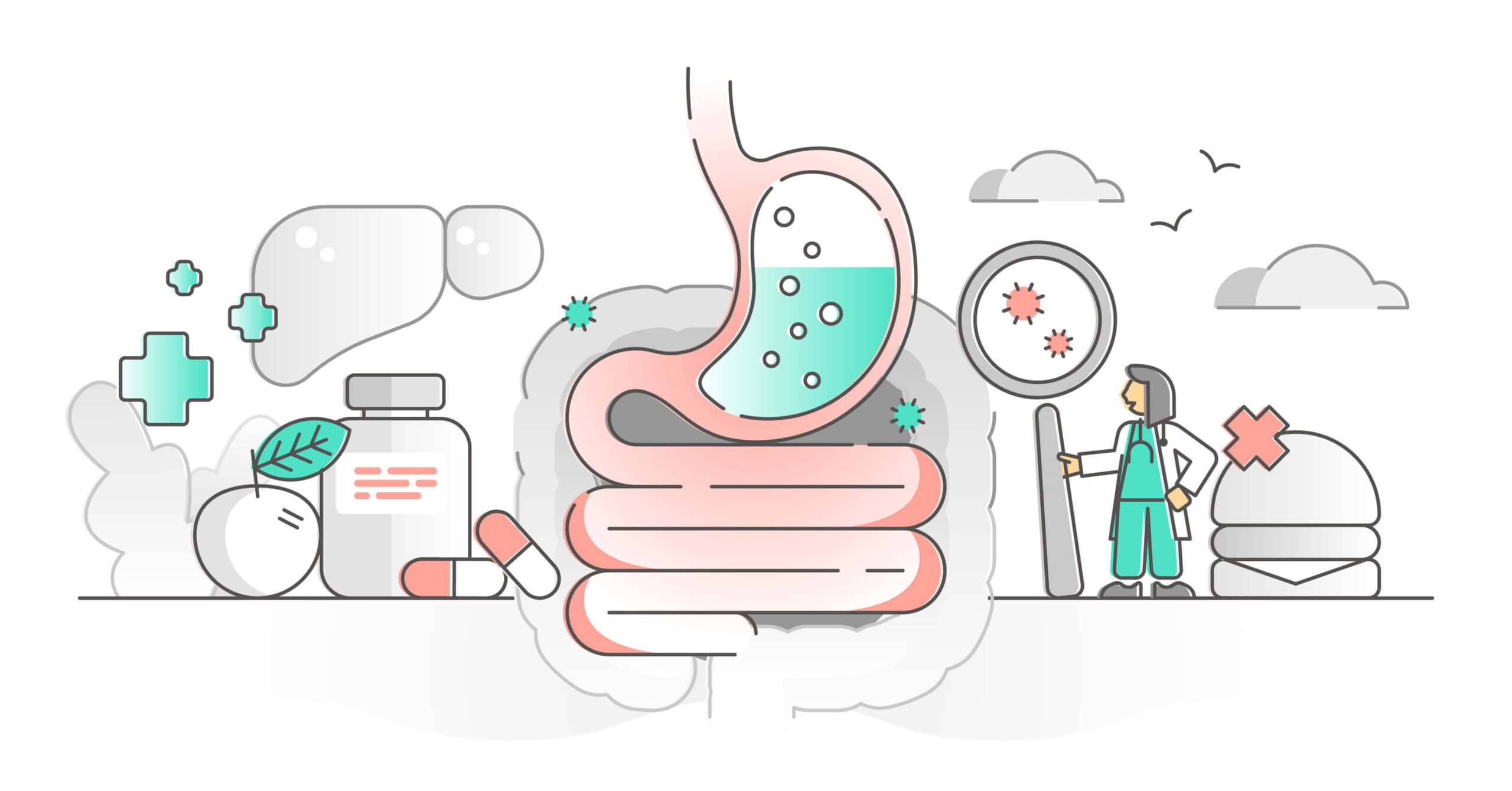
Have you ever felt a burning sensation in your stomach? Maybe a gnawing pain that makes it hard to eat? If so, you might be dealing with gastritis. Figuring out what causes gastritis can be tricky. Sometimes it’s a quick and easy fix, but other times it requires a bit more investigation.
Many things can irritate our stomachs. It’s like our stomach lining is a delicate balance that can be easily thrown off. Luckily, we can usually figure out the culprit with some patience and our doctor’s help.
NextCare is one of the nation’s largest providers of urgent care and occupational medical services. With 170+ clinics in Arizona, Colorado, Kansas, Michigan, Missouri, Nebraska, New Mexico, North Carolina, Oklahoma, Texas, Virginia, and Wyoming, we offer exceptional, affordable care to patients across the country.
Gastritis: A Closer Look
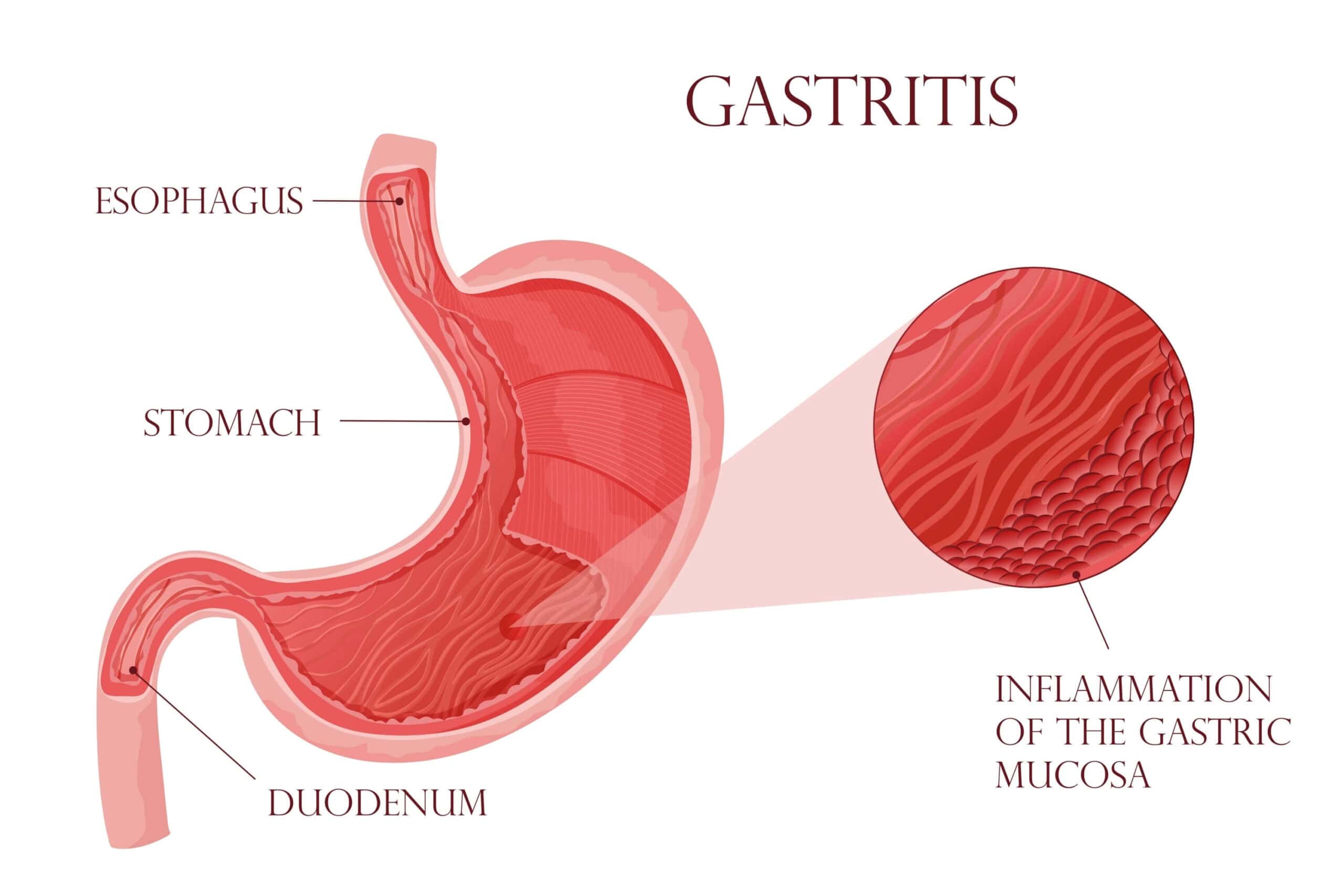
Gastritis is simply inflammation of the stomach lining. But don’t let that simple definition fool you – it’s a common issue affecting many people. Think of the stomach lining as a shield, protecting your stomach from the powerful acids that break down your food.
Gastritis occurs when this shield weakens or is injured. This allows those acids to cause damage and irritation. This damage and irritation are what cause gastritis in the first place.
Two Main Types: Acute vs. Chronic Gastritis
Gastritis has two main forms: acute and chronic.
- Acute gastritis comes on suddenly and tends to be short-lived. Maybe you overdid it with spicy food, drank too much alcohol, or took a new medication that didn’t agree with you.
- Chronic gastritis develops gradually and can stick around for a while, sometimes even for years. This type can stem from long-term issues like bacterial infections or autoimmune disorders. Determining what causes gastritis, particularly in the chronic form, is often more involved and requires a doctor’s help.
NextCare Urgent Care provides immediate medical attention for sudden, acute symptoms of gastritis. If your symptoms come on quickly and are causing discomfort, visiting an urgent care center can help you get the relief you need without delay. For chronic cases, our providers can evaluate your condition and, if necessary, refer you to a specialist for more comprehensive care.
Decoding the Culprits Behind Gastritis: Here’s What Causes It
Many things can contribute to gastritis. This makes figuring out your gastritis cause a bit like a detective’s case. Here’s a look at some of the most common culprits of gastritis
1. The Usual Suspects: Alcohol, Medications, and Smoking
Think of your stomach lining like a delicate silk scarf. Harsh substances like alcohol, certain medications, and cigarette smoke can wear it down. NSAIDs (nonsteroidal anti-inflammatory drugs) like aspirin and ibuprofen are well-known for this, especially with regular use. Even some herbal supplements and vitamins can irritate if taken in high doses. Medications, while they help with some ailments, are common culprits in what causes gastritis. The link between smoking and gastritis is well-documented in research. For instance, smoking increases the risk of peptic ulcers, which are closely related to gastritis.
2. The Tiny Troublemakers (Helicobacter Pylori)
Imagine a microscopic bacterium setting up camp in your stomach lining. That’s Helicobacter pylori (H. pylori). It is surprisingly common – over half the world’s population has it – but it only causes problems for some people, potentially due to lifestyle choices or genetics.
When it does cause trouble, H. pylori triggers inflammation that can lead to ulcers or even stomach cancer. This sneaky bacterium is responsible for many gastritis cases, particularly chronic ones. Thankfully, antibiotics can usually clear it up.
3. When Your Body Turns on Itself: Autoimmune Gastritis
Picture this: your immune system mistakenly attacks the cells in your stomach lining as invaders. This scenario is called autoimmune gastritis.
Sometimes, autoimmune gastritis is a solo act; other times, it’s linked to other autoimmune diseases like Hashimoto’s disease. This reaction slowly erodes your stomach’s protective layer, causing chronic gastritis. Managing it involves medications and dietary changes to soothe the stomach and counter nutrient deficiencies.
4. Beyond the Usual Suspects: Other Factors That Contribute
It isn’t always obvious what causes gastritis. Several less common culprits can also cause gastritis:
- ⊕ Bile Reflux: If bile (the digestive juice that helps break down fat) backs up into the stomach, it irritates, leading to bile reflux gastritis.
- ⊕ Eosinophilic Gastritis: White blood cells called eosinophils invade the stomach lining, often due to food allergies. This invasion causes inflammation and thickened stomach walls, leading to this less common type of gastritis. Treatment usually involves avoiding triggering foods and using corticosteroids.
- ⊕ Stress: When stressed, blood flow diverts from our digestive system to support more vital organs. This diversion is temporary, but if stress becomes chronic, the stomach lining remains vulnerable. Chronic stress is a risk factor for gastritis. Chronic stress is known to affect gastrointestinal health, including increasing the risk of gastritis. The American Psychological Association (APA) discusses the impact of stress on the body.
- ⊕ Age: The stomach lining thins with age, so older adults are more susceptible to stomach irritation. They’re also more likely to have an H. pylori infection, contributing to what causes gastritis.
- ⊕ Radiation Therapy: This therapy, sometimes used for treating cancers close to the stomach area, can irritate the lining, triggering radiation gastritis.
- ⊕ Crohn’s Disease: While Crohn’s disease primarily impacts the intestines, it can sometimes reach the stomach lining, also contributing to gastritis.
How to Decode Your Gastritis
Gastritis might not always have obvious symptoms. However, getting checked out if you suspect something is wrong is essential. This helps us determine what causes gastritis. It’s much better to get it addressed than to hope it goes away on its own.
NextCare offers convenient, walk-in services to help you decode your symptoms and determine if gastritis is the cause of your discomfort. With our diagnostic tools, we can assess your condition quickly and recommend the appropriate treatment or refer you for further specialized care if needed.
Red Flags: Common Gastritis Symptoms
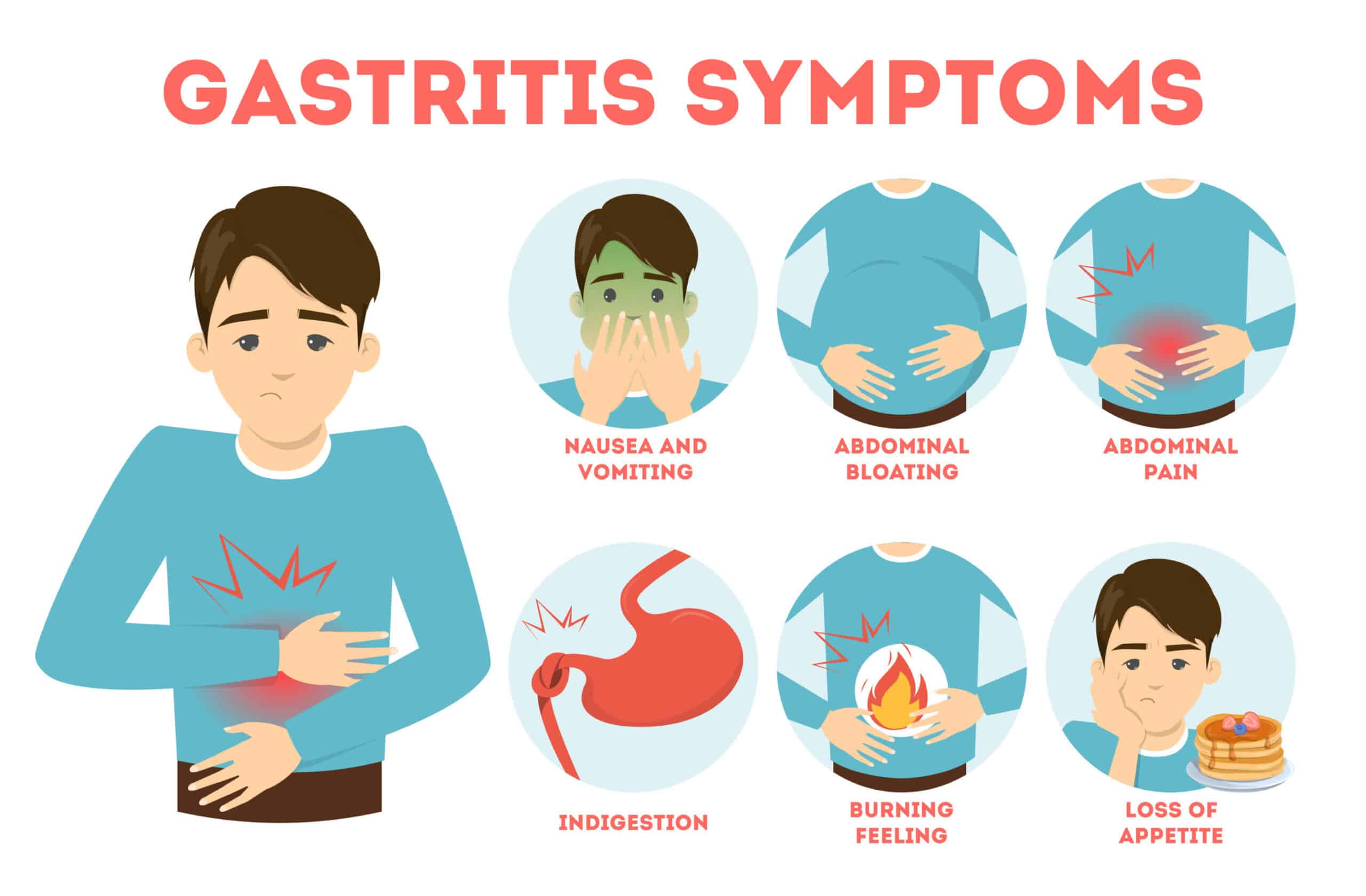
Pay attention to any discomfort or digestive issues. While every case is different, keep an eye out for common gastritis symptoms:
- ⊕ A gnawing or burning ache in the upper abdomen.
- ⊕ A feeling of fullness or bloating after meals.
- ⊕ Vomiting and nausea.
- ⊕ Black or tarry stools.
- ⊕ Loss of appetite.
If you’re experiencing any of these symptoms, particularly if they persist for more than a week, it’s important not to ignore them. NextCare Urgent Care can provide the immediate care you need, ensuring your symptoms are addressed promptly before they potentially worsen.
Diagnosis and Testing: How Does a Doctor Figure Out What Causes Gastritis?
Diagnosing the cause of gastritis takes more than just telling your doctor about your symptoms. Doctors use a range of techniques, often utilizing specialized tests. These might include an endoscopy, biopsy, blood test, stool sample analysis, or a breath test.
The breath test is specifically designed to detect H. pylori. Through careful analysis of the gathered information, a clear picture starts to form. This allows your doctor to begin forming an appropriate treatment plan with you.
NextCare can perform initial tests and assessments to diagnose gastritis and, if necessary, refer you to a specialist for more detailed investigations.
Understanding What Causes Gastritis Is Key To Choosing The Right Treatment
Your treatment plan will vary based on your gastritis’s cause. It’s like finding the right key for the right lock. Before diving into remedies, let’s discuss prevention. This is where making healthy choices is key. By understanding what causes gastritis and the steps to prevent it, we are taking control of our health.
NextCare can help guide you through the necessary lifestyle changes and provide medications to manage symptoms, ensuring that you have the support you need to recover and prevent future flare-ups.
Prevention: Guarding Your Gastric Peace
We can often avoid gastritis altogether. Honestly, it’s easier (and more enjoyable) than dealing with gastritis’s effects.
Habit Changes to Help Prevent Gastritis:
- ⊕ Practice good handwashing. This might seem basic, but handwashing after using the restroom and before handling food goes a long way. It prevents the spread of the infamous H. pylori bacteria, a significant player in chronic gastritis.
- ⊕ Don’t overindulge in alcohol. Frequent, heavy drinking erodes your stomach lining. This erosion leaves it susceptible to harsh digestive juices.
- ⊕ If you need pain relief, try non-NSAID options. NSAIDs can irritate the stomach lining, but if needed, stick to the lowest effective dose for the shortest duration possible. Discuss alternative pain management options with your healthcare provider.
- ⊕ Don’t smoke. Cigarettes aggravate your stomach lining. Ditch the habit, protect your stomach, and improve your health overall. It’s a win-win.
- ⊕ Find healthy ways to manage stress. Long-term stress keeps the digestive system running on low power, weakening defenses. Relaxation techniques, regular exercise, and mindfulness contribute to a happy stomach (and you).
- ⊕ Listen to your body. Foods don’t typically directly cause gastritis, but pay attention to what your gut tells you. Keeping a food diary helps spot patterns.
Just like in many aspects of our health, these preventative steps involve simple, positive adjustments that make a difference.
Key Takeaway: Simple lifestyle changes, like reducing alcohol consumption and managing stress, can significantly reduce your risk of developing gastritis.
FAQs About What Causes Gastritis
The most common cause of gastritis is an infection with the bacterium Helicobacter pylori, affecting a significant portion of the world’s population.
Many things can trigger gastritis. These triggers range from alcohol and medications like NSAIDs to stress, bile reflux, or even your immune system attacking your stomach lining. Other causes of gastritis include parasitic infections.
While food isn’t generally a primary cause, spicy, acidic, and greasy foods can aggravate an already inflamed stomach. Excessive caffeine and alcohol can also irritate gastritis. Keeping a food journal can help identify your personal triggers.
The optimal treatment plan is tailored to your specific cause of gastritis. Treatment often involves medications like antacids to neutralize stomach acid, antibiotics if H. pylori is present, or lifestyle modifications, such as reducing alcohol intake and stress levels. NextCare can assist in creating a treatment plan that suits your individual needs.
Conclusion
Discovering what causes gastritis is a collaborative journey. Pay attention to your body’s signals, listen to your doctor’s advice, and make mindful lifestyle choices. NextCare Urgent Care is here to help you manage your gastritis, offering immediate relief and support to get you back to feeling your best. With dedication and personalized care, a happy stomach is achievable.
Treatment options are tailored to the patient's current condition and the examples are to be used as possible treatment options. The actual treatment will be determined after an assessment performed by a medical professional. Additionally, procedures are recommended only after a comprehensive evaluation and a thoughtful determination of the most appropriate treatment options.


Not all services are appropriate for every patient and NextCare providers will determine recommended treatment and services based upon their clinical judgement and individual patient needs.
© 2026 NextCare