 Wellness
Foot Health: Problems & Solutions
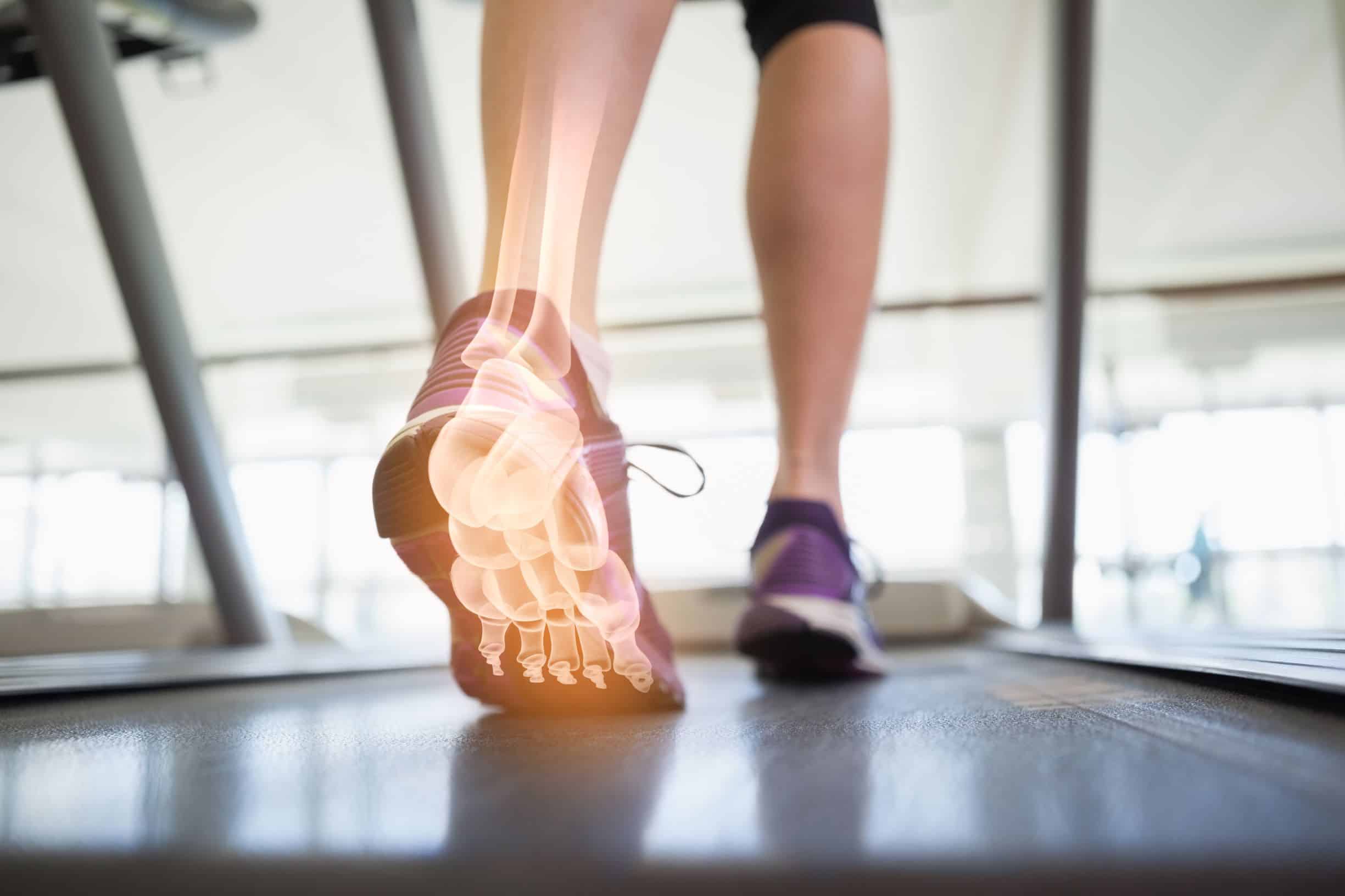
Foot health deserves more attention. Whether it’s through work, exercise, dancing or even going to the store, our feet take a beating on an almost daily basis. Our feet are responsible for hauling us around and enduring thousands of steps per day, yet we don’t always take the best care of these vital tools. A 2014 survey showed that 8 in 10 Americans have experienced a foot problem during their lifetime, with these foot problems being defined as everything from an in-grown toenail to chronic foot pain. These foot problems, even those minor in nature, can really impact our quality of life and health. A simple in-grown toenail for example, will cause significant pain and make you less likely to enjoy exercising or do other things you enjoy. In this Health Journal, we will discuss how to treat some of the common problems we have with our feet and list a few ways you can help keep your feet a little healthier.
Common foot problems:
The scale of foot problems is vast and varies in both pain level and treatment. Some foot problems arise as we grow older and our feet begin to get worn down, some may be genetic and others may be caused by a traumatic injury. In this section, we have listed a few common injuries/problems people have with their feet, what they mean and how to treat them.
- Bunion: This is a malformation of the joint connecting to the big toe of the foot which can lead to it feeling swollen and tender. It can also be described as an enlargement of the bone or tissue around the joint at the bottom of the big toe. A bunion may be caused by ill-fitted shoes, but can also be hereditary in some cases. Symptoms of a bunion are irritated skin around the bunion, pain when walking and a possible shift of the big toe toward the other toes. As far as treatment, changes in footwear can help, while also using padding, rest and ice. If the discomfort and pain is severe enough, surgery is also a possibility.
- Hammertoe: This is a deformity of the second, third or fourth toe that causes it to be permanently bent, resembling a hammer. This condition is also caused by wearing poorly fitted shoes that can force the toe into a bent position. This is often seen in conjunction with other foot problems like bunions for example. Symptoms of a hammertoes include painful corns, rubbing of the skin in shoes and general shoe fitting problems. For treatment, it can be cured by physical therapy and with new shoes with spacious toe boxes in most cases, but surgery may be required depending on severity.
- In-grown Toe Nail: This is a common and painful nail disease, which is caused by the corners or sides of the nails digging painfully into the skin. In-grown nails can occur on both the hands and the feet but are most commonly seen in the foot. There are a variety of reasons for this to occur, but shoes causing bunching of the toes in the development stages of the foot or shoes that are too short or narrow can cause the nail to grow inward. Poor nail care like cutting the nail too short or peeling the nail off at the edges can also contribute to this problem. Symptoms of this include pain along the margins of the nail, worsening pain when wearing tight footwear and sensitivity to pressure of any kind on the nail or toe. There may also be signs of infection, including redness and swelling in the surrounding area or watery discharge tinged with blood. For treatment, it’s recommended to use warm water and salt soaks, antibacterial ointment and the use of dental floss to provide a track along which the nail may grow. As with the other foot problems noted above, surgery may be required in severe cases.
- Plantar Fasciitis: This disorder causes pain in the heel and at the bottom of the foot. The pain is most noticeable when bending the foot and toes up towards the shin and this may we worsened by a tight Achilles tendon. Plantar fasciitis is caused by long periods of standing, increase in exercise or obesity. Symptoms of this include sharp pain, numbness, tingling or radiating pain. The plantar fascia can also rupture and includes a clicking or snapping sound, significant swelling and acute pain in the sole of the foot. This is treated with custom shoe inserts or surgery.
How keep feet healthier:
Now that we have seen a few of the foot problems that commonly arise, it’s probably a good idea to include a few ways to keep your feet healthy and hopefully avoid some of these issues. We have compiled a list below that can help anyone take better care of their feet and hopefully avoid any issues that alter their quality of life.
- Check your feet daily for cuts, sores, swelling and infected toenails. Early detection of these problems will help you get a head start and prevent the problems from hopefully getting significantly worse.
- Give your feet a good cleaning in warm water, but try to avoid soaking them as this may dry them out.
- Moisturize your feet every day with lotion, cream or petroleum jelly. This will help prevent drying or cracking, but avoid putting the cream between your toes as you want this area to be dry in order to prevent infection.
- Avoid wearing tight-fitting shoes or shoes that hurt your feet.
- Rotate your shoes every few days so you’re not wearing the same shoes every day. This will help give your feet room to breathe and will also help reduce the amount of bacteria that is in each pair.
- When trimming your toenails, make sure to trim straight across with a nail clipper. Once done, use a nail file to smooth the corners, which will prevent the nail from growing into your skin.
Sources:
https://www.webmd.com/skin-problems-and-treatments/healthy-feet-tips
https://footpainmanagement.org/general-statistics-of-foot-problems/
https://www.healthline.com/health/tips-for-healthy-feet-footwear-hygiene#feet-dos-and-donts



Discover More

Not all services are appropriate for every patient and NextCare providers will determine recommended treatment and services based upon their clinical judgement and individual patient needs.
© 2026 NextCare